Warm Transitions – A Comprehensive Guide on How to Transport a Patio Heater Safely
Are you a big fan of crispy night air and reading a good book under the starry sky? As we embrace this type of living, outdoor heaters ensure those nights are nice and cozy. So, when it comes time to move, learning how to transport a patio heater safely becomes paramount. Let’s dive into how to do this effectively.


Moving a patio heater requires thoughtful planning to ensure its safe journey. Start by identifying the type of heater you have, as each has specific needs for disassembly and packing.
Before you pack the patio heater, thoroughly clean, disconnect, and secure its loose components. Gather essential supplies and tools to protect this object during transport.
It's generally recommended to install one patio heater per 1,500 square feet of area
Wrap each disassembled part individually to prevent damage. Use proper lifting techniques and a furniture dolly for heavier models to safely load it onto a relocation vehicle. Secure it with straps to avoid shifts during transport. Upon arrival, carefully unload, reassemble, reconnect, and test the device to ensure it operates correctly. However, if you need assistance, consider hiring professional long-distance movers for a job.
Move With Confidence Get Free Quote
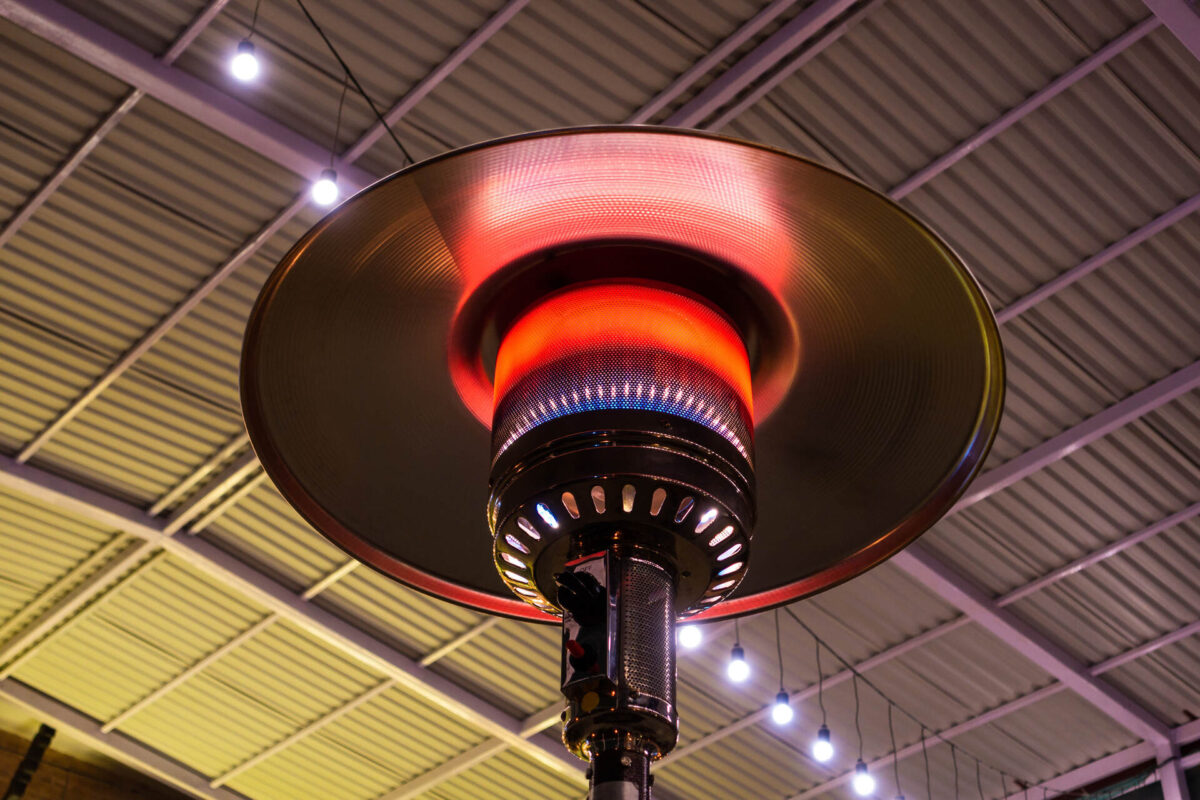
Explore Different Types of Patio Heaters and Their Transportation Needs
Each device brings its own set of challenges and requirements for safe and efficient transport. Recognizing these differences ensures that you can adequately prepare, disassemble if necessary, and securely ship the patio heater to the new home. Here’s a closer look at why this knowledge is key to success:
- Freestanding heaters – the giants of outdoor warmth are often tall and heavy. Knowing how to handle their size and weight is essential for safe disassembly and transport.
- Tabletop heaters – their compact size might suggest an easy relocation. However, they require careful handling to protect delicate heating elements and glass parts.
- Wall-mounted units – they are usually secured to a specific spot. You have to safely detach them, focusing on handling electrical or gas connections and keeping mounting brackets secure.
Pre-Transport Preparation Is a Must
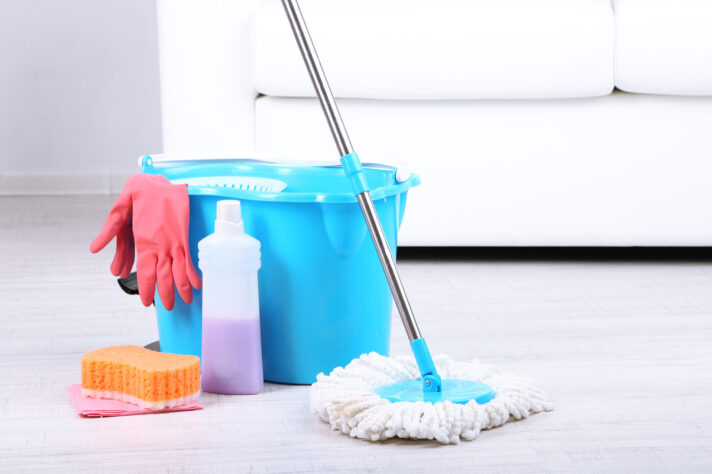
Preparing for a moving cross-country journey is crucial for several reasons. First, cleaning the item maintains its aesthetic appeal and removes any debris that could pose hazards during transit. Dirt and grime can conceal its parts, making it harder to disassemble or wrap properly.
Second, disconnecting the fuel or power source is a critical safety measure. Whether your heater operates on a propane tank, a gas line, or electrical connections, ensuring it’s fully disconnected prevents potential leaks or electrical hazards. This step is non-negotiable and must be performed with care to ensure the safety of everyone involved in this process.
Lastly, loose components can easily become lost or cause damage to the item itself or others surrounding it. By securing these parts, you will safeguard their integrity and streamline the reassembly process after relocating to the new home.
Gathering Essential Moving Supplies and Tools
DIY moving outdoor heating devices necessitates having the right supplies and tools as a first defense against damage. These packing materials play a pivotal role in cushioning the heater, protecting it from scratches, dents, wear, and tear during transport. Without these protective measures, the risks of moving can greatly increase. Here are the essential supplies you’ll need for an efficient boxing-up process:
- Moving blankets – thick and durable, they provide a protective layer that shields from impacts and vibrations. Wrap the device securely to safeguard its finish and delicate components.
- Bubble wrap – for extra protection, especially around fragile parts like heating elements and glass tubes, bubble wrap is invaluable. Its cushioning effect absorbs shocks, ensuring that the most vulnerable parts stay intact.
- Furniture dollies – a sturdy furniture dolly is indispensable for moving heavier and larger items. It facilitates easy transportation to and from the relocation vehicle, reducing the strain on your back and minimizing the risk of injury.
- Straps – once the item is loaded onto the truck, straps are essential for securing it in place. They prevent any unwanted movement that could lead to scratches or dents during the journey.
- Plastic wrap or tape – ideal for securing the wrapping, plastic wrap or tape ensures that the moving blankets and bubble wrap stay fixed during handling or transport. This prevents the protective materials from coming undone, offering continuous protection throughout the move.
If you are unsure of how to obtain these things yourself, you can always hire professional movers for patio heaters for the job. Packing outdoor appliances is easier with expert equipment and quality supplies.

Disassemble Your Patio Heater Before Wrapping It Up
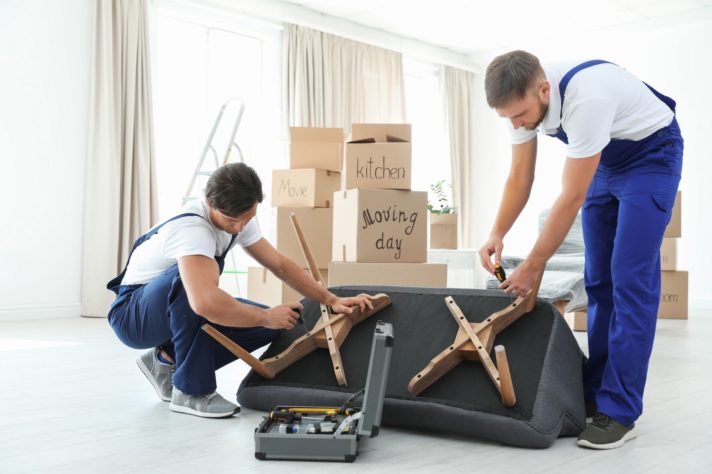
The disassembling process varies depending on the type of heater, but the goal is the same – to reduce its size and minimize the risk of damage. For freestanding appliances, begin by removing the base and the top reflector, if possible. Tabletop models often have detachable bases and tops that can be easily unscrewed.
Wall-mounted units may require you to detach them from their brackets and disconnect any fixed wiring. Remember to keep all screws and small parts in a labeled box or sealable bag to make reassembly easier and smoother.
Wrap and Protect the Heater’s Components
Once disassembled, wrap and protect heating elements and reflectors. Begin by wrapping each piece in bubble wrap, ensuring that every edge and surface is covered. Secure the bubble wrap with plastic wrap or tape to keep it in place. For added protection, wrap the bubble-wrapped pieces in moving blankets, securing them with more tape.
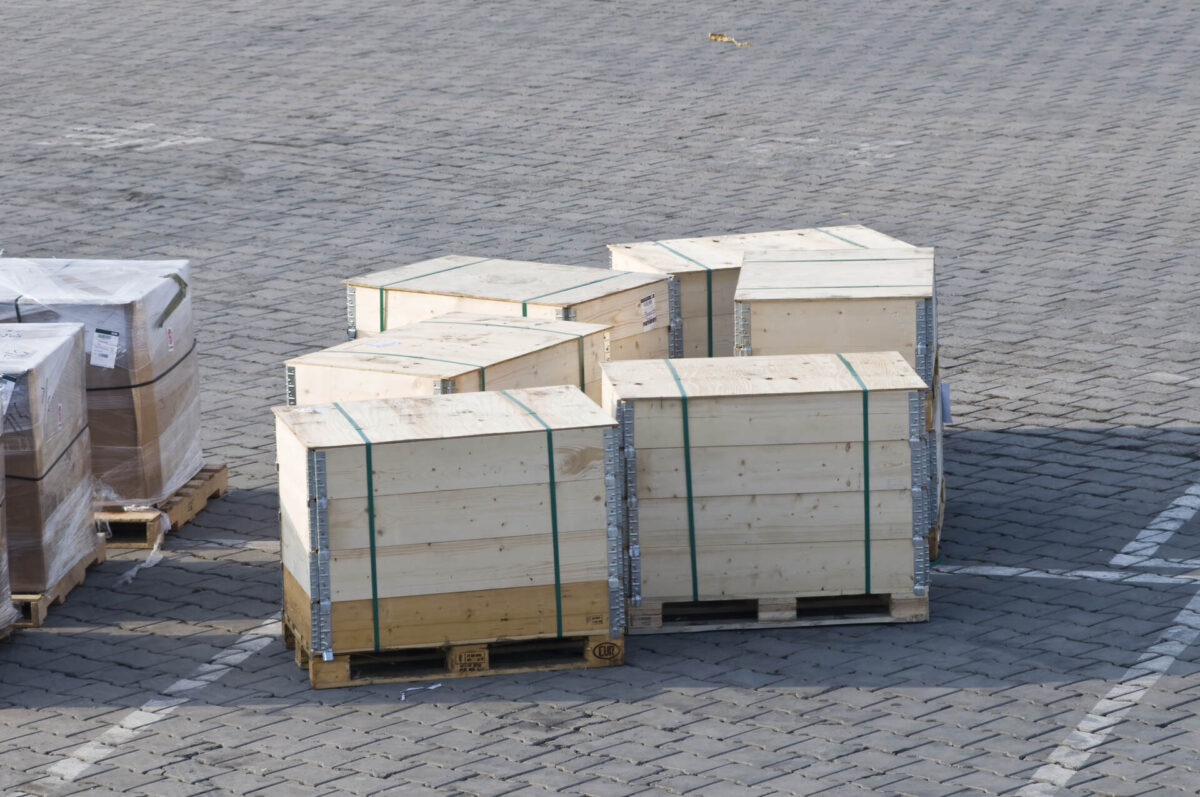
For components that are particularly delicate or valuable, consider using their original packaging if available. The manufacturer’s packaging is designed specifically to protect this item during transport, offering snug fits and additional cushioning against impacts. If the original packaging isn’t available, consider booking custom crating with your cross-country moving service provider.
Move a Patio Heater by Using Safe Lifting and Loading Techniques
Safely lifting and loading your outdoor appliance is crucial to avoid damage and prevent personal injury. For heavier models, utilizing a furniture dolly is essential as it eases the burden of lifting and minimizes the risk of accidental drops during transport. When lifting any of its parts, always bend at the knees and keep your back straight to avoid strain. It’s important to lift with your legs and to keep the item close to your body to maintain balance.
Enlisting the help of friends or family is also a good idea. Having assistance can provide the necessary support for lifting heavier components safely onto the vehicle. Coordination and communication are vital during this process to ensure everyone knows when to lift, where to go, and when to set the item down.
Secure the Heater in the Relocation Vehicle During the Transport
Use straps or ropes to fasten the device firmly to the side of the vehicle to prevent any movement. Another good way to transport it is to place it against the sides of stationary heavy objects.
Ensure the straps or ropes are tight enough to hold everything in place but not so tight that they cause damage. It’s also wise to place soft padding between the heater and the straps or any surfaces it might rub against to avoid scratches or dents.
Use Careful Unloading Practices
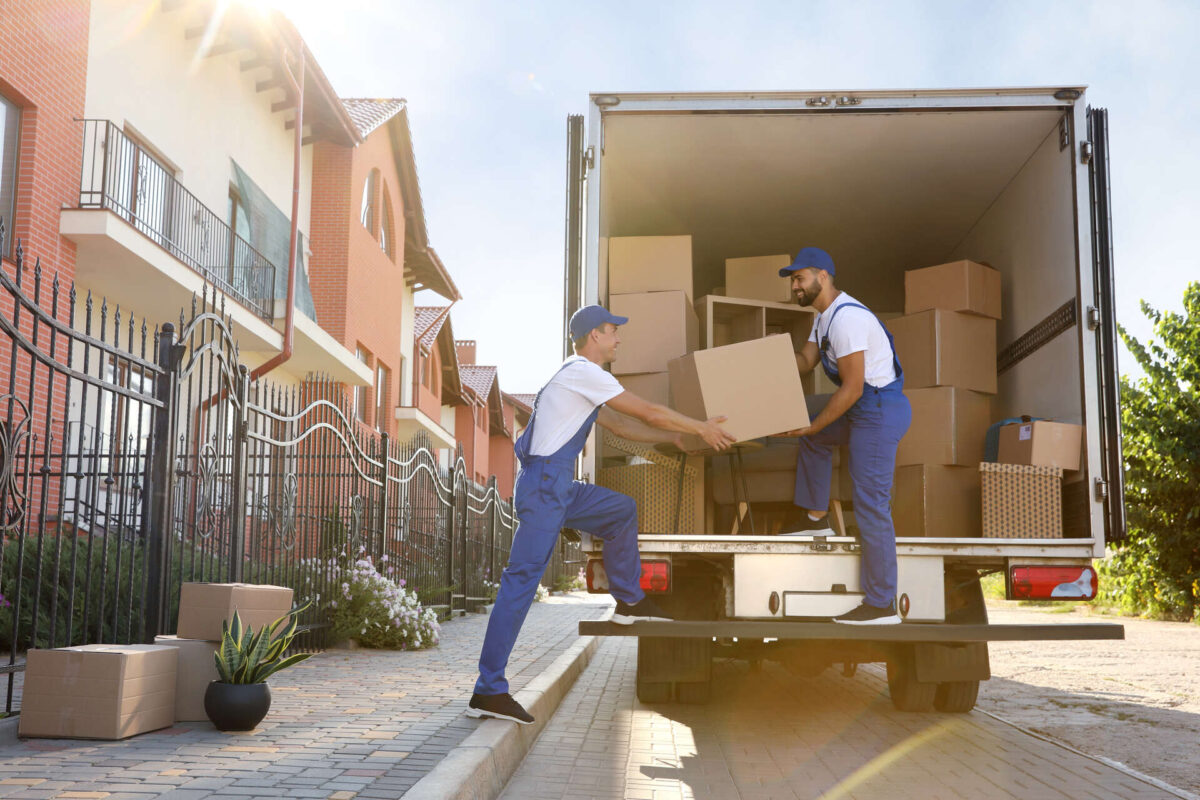
The unloading process is just as critical as the loading. It necessitates the use of similar safety precautions and techniques to ensure the well-being of the item and the individuals involved. Utilize a dolly to smoothly transition the appliance from the vehicle to the ground. Keep the pathway clear and ensure that there’s sufficient space to move without obstacles, reducing the risk of accidental drops or tripping.
Reassemble, Reconnect, and Test the Heather Out in the Open
Once the appliance is unloaded, the next steps are reassembling, reconnecting, and testing it to confirm its operational status. Start by referring back to any notes or photos you may have taken during disassembly to aid in the reassembly process. Attach all parts securely, ensuring that everything is in its proper place and the heater stands stable and straight.
The next step is to attach a propane tank, connect to a gas line, or plug in an electrical cord. It’s crucial to follow the manufacturer’s guidelines for this step to ensure safety and proper operation. After reconnection, inspect it for any signs of damage or loose components.
Finally, test the appliance in a safe, open environment, away from any flammable materials or obstructions. This test will confirm whether it is functioning correctly and safely post-move. It’s a vital step to ensure your appliance is ready to provide warmth and comfort during cozy evenings outdoors without interruption.

Enjoy the Benefits of Hiring Expert Cross-Country Movers
Moving this appliance across long distances can present a set of unique challenges that might be tiring for many homeowners. In scenarios involving high-value, heavy, or complex patio heaters, the expertise of professional movers becomes invaluable. They are equipped with the necessary tools, knowledge, and experience to handle this transition with the utmost care and precision.
If you aren’t comfortable with the disassembly and reassembly process, hiring an expert company can alleviate the relocation stress and potential risk of damaging this valuable heating equipment. They provide peace of mind, knowing that every aspect of this journey is handled professionally, from packing to transportation.

Moving Insurance
Cross Country Moving Company is the most trusted name in the relocation industry in the country.
Learn More
Storage
Cross Country Moving Company is the most trusted name in auto industry in the country.
Learn More

Auto Transport
Cross Country Moving Company is the most trusted name in auto industry in the country.
Learn More
Select Reliable Packing and Long-Distance Moving Services
Choosing the right company is crucial for a smooth and stress-free relocation experience. There are some things you must consider so you can make an informed decision. Customer testimonials can provide insight into their reliability, customer service, and ability to handle the items with care. It is also important to ensure that the company offers the specific services you need.
Detailed service offerings can indicate their expertise in handling items that require special care. Check their registration with the Federal Motor Carrier Safety Administration (FMCSA). A registered and compliant mover is a sign of professionalism and adherence to safety standards. Lastly, opt for a mover that provides comprehensive insurance options. This will protect your belongings throughout shipping, offering compensation in the event of damage or loss.
That’s why Cross Country Moving Company stands ready to make your relocation journey a breeze. Our cross-country moving services and expert packing solutions are designed to address all of your needs. We will ensure that every step of this journey is executed with precision and care. Trust us to handle your belongings with the professionalism and respect they deserve.

Book Cross Country Moving Company on Time for a Smooth Relocation Experience
Long-distance moving can be taxing and exhausting if handled alone, especially when you are not sure how to organize or where to start. That’s why professional assistance is invaluable. Cross Country Moving Company has the means and expertise to make this journey as smooth and easy as possible. Our team will ensure that your belongings are packed, handled, stacked, and transported with care and attention to detail. Contact us today, and let us be your trusted partner on this exciting adventure.
FAQ
How Can You Safely Transport a Patio Heater Without Damaging It?
You can safely transport a patio heater by disassembling loose parts, securing the propane tank, and using protective padding during the move. Start by turning off the gas supply and removing the tank. Wrap the heating element and fragile components in bubble wrap or moving blankets. Always keep the heater upright to avoid bending or damage to the burner. Use tie-down straps to secure it inside a moving truck or SUV. Following these moving safety steps helps prevent leaks, dents, and costly repairs.
Should You Remove the Propane Tank Before Moving a Patio Heater?
Yes, always remove and separately transport the propane tank before moving a patio heater for maximum safety. Propane tanks are pressurized and can be dangerous if mishandled during transport. Never move a heater with the tank attached, even for short distances. Instead, close the valve tightly, detach the tank, and store it upright in a ventilated area. Keep it away from heat sources or direct sunlight during the move. This ensures full compliance with propane safety and transportation regulations.
What Are the Best Materials to Use When Packing a Patio Heater for Moving?
The best materials for packing a patio heater are moving blankets, bubble wrap, foam padding, and sturdy straps. These materials protect metal and glass components from impact damage. Use foam or cardboard between the base and pole to prevent scratches. Secure the heater with rope or bungee cords to stop shifting in transit. For long-distance moves, double-box smaller parts for extra protection. Proper packing helps preserve the heater’s shape and function during transportation.
Can a Patio Heater Be Transported Lying Down?
While it’s possible, it’s not recommended to transport a patio heater lying down because it increases the risk of damage to internal components and the gas line. Most patio heaters are designed to stay upright. Laying it flat can cause dents, misalignment, or fuel leaks if propane is still present. If vertical space is limited, remove the top reflector and base first. Always cushion it with blankets to reduce pressure points. Keeping it upright is the safest way to transport a patio heater without issues.
How Should You Prepare a Patio Heater for Long-Distance Moving?
To prepare a patio heater for long-distance moving, disassemble detachable parts, empty the fuel tank, and pack each section securely. Clean the heater to remove dust or grease before wrapping. Label each part and keep screws in sealed bags to make reassembly easier. Use padding between sections to avoid scratches during transport. If possible, transport the heater in its original box. Proper preparation prevents damage and makes setup smoother at the new location.
Can You Transport a Patio Heater in a Car or SUV?
Yes, you can transport a patio heater in a car or SUV if the model fits safely and the propane tank is removed. Always measure your vehicle and heater beforehand to ensure a proper fit. Lay down protective blankets to avoid scratching the interior. Secure the heater upright with straps to prevent tipping. Smaller tabletop heaters are easier to move in personal vehicles, while large freestanding models may require a truck. Safety and stability are the priorities when transporting in any vehicle.
What Safety Precautions Should You Take When Moving an Electric Patio Heater?
When moving an electric patio heater, unplug it, allow it to cool completely, and secure the power cord properly. Avoid bending or twisting the cord to prevent electrical damage. Wrap the heater in protective material to shield it from impacts. Keep moisture away during transport to avoid short circuits. Handle electric models gently, as they’re lighter but more fragile. Careful handling prevents damage to the heating element or housing during relocation.
How Do You Move a Patio Heater Up or Down Stairs Safely?
To move a patio heater on stairs, use a two-person lift, remove the propane tank, and secure the heater body with straps or handles. One person should guide from above while the other supports from below. Take slow, steady steps to maintain balance. Avoid tilting the heater too much to prevent internal damage. For larger or commercial models, use a stair-climbing dolly if available. Always prioritize safety and teamwork when lifting heavy outdoor heaters.
What Should You Do After Transporting a Patio Heater to a New Location?
After moving, inspect your patio heater for damage, reattach parts carefully, and test it outdoors before regular use. Check for dents, loose screws, or leaks if it’s a gas model. Clean dust or packing debris from the heating surface. Reconnect the propane tank or plug in the power cord, following manufacturer instructions. Light the heater briefly to ensure even flame or heat output. Taking time to test and inspect guarantees safe operation after transportation.
How Can You Store a Patio Heater Safely After Moving It?
You can store a patio heater safely by cleaning it, removing the propane tank, and covering it with a weatherproof cover. Choose a dry, ventilated storage area to prevent rust and corrosion. Wrap delicate parts separately like reflectors and glass tubes. Keep propane tanks outdoors and upright during storage. For electric heaters, coil cords neatly and avoid tangling. Proper post-move storage extends the life of your patio heater and ensures it’s ready for future use.