Moving out for the first time is a huge step. One minute you are on Google asking how many plates you need, and the next you are looking at electricity plans and realizing that bins do not empty themselves.
The good thing is that the process does not need to be stressful or expensive, as long as it is planned in the proper sequence. This is a step-by-step checklist with simple money tips that will get you off to a good start and prevent the all-too-common “I moved out and I am broke” trap.
Assessing Affordability: The Real Cost of Renting
One can easily get preoccupied with rent and forget the rest. In Australia, the weekly rent itself is just part of the story, and the initial few weeks may prove to be expensive.
First, it is important to perform an affordability test: sum up your monthly income, and then list the things you will spend money on when you move (rent, food, transport, phone, utilities, insurance). Strive to keep rent at an affordable level relative to your after-tax earnings, and ensure you have room to save and meet unforeseen expenses.
Also, prepare for advance payments, which usually entail:
- Bond (usually up to 4 weeks’ rent, depending on your state/territory).
- Rent in advance (often 2 weeks).
- Connection charges or installation expenses (internet, electricity).
- Simple home appliances that you are missing.
Should those numbers be tight, either reconsider moving, see what you can do about house-sharing, or wait and accumulate a buffer.
6-8 Weeks Out: Building Your Moving Budget and Buffer
The initial phase can feel like death by a thousand small purchases. A budget allows you to view the total cost rather than just the headline items.
Create two buckets:
- One-off relocation expenses (removalists, boxes, bond, the first household set-up).
- Monthly expenses (rent, bills, groceries, transport, subscriptions).
Then add a safety buffer. An example objective would be an emergency fund which can initially cover at least a few weeks of expenses, gradually increasing to the recommended 3-6 months. Having at least 500-1,000 dollars in your pocket will prevent a surprise bill from turning into a crisis.
4-6 Weeks Out: DIY Moving vs. Hiring Professional Removalists
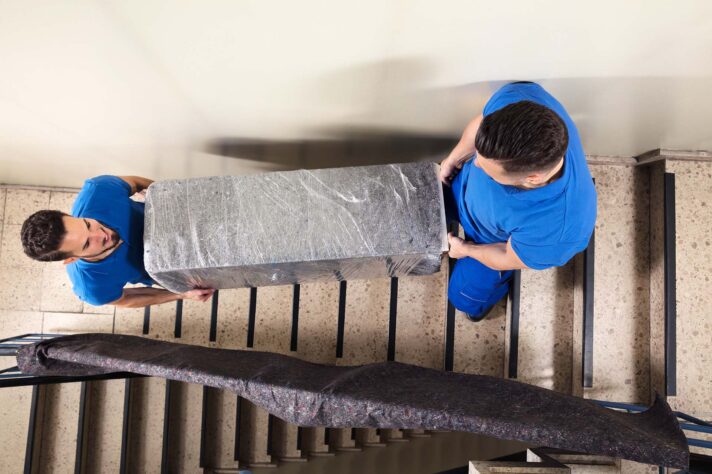
This is normally determined by your budget and your furniture situation. A DIY move can be effective if you are moving a short distance across the suburbs with few possessions. However, you can save time and avoid damage by hiring professional assistance if you have bulky furniture, stairs, awkward access, or a greater distance to travel.
Consider:
- Access at both properties (stairs, lifts, narrow driveways).
- Parking regulations and loading areas.
- The need to insure high-value items.
- Time off work and the real cost of “mates rates” assistance.
When you do hire professionals, get quotes, check whether they include fuel, stairs, and call-out fees, and ask if they have minimum booking times.
3-5 Weeks Out: Rental Documents and Insurance Requirements
It is the ugly side of being an adult, though it makes the moving week process a lot easier.
Add these to your checklist:
- Check the lease commencement date and key collection time.
- Take photos of the property condition upon entry (walls, floors, appliances).
- Get renters insurance prior to moving in (it is normally cheap and valuable).
- Create a folder (either digital or physical) with receipts, lease documents, and condition reports.
When you are moving into a share house, ensure that you clarify in writing how to divide bills, which utility providers to use, and expectations regarding cleaning and shared items.
2-4 Weeks Out: Strategic Packing Tips for Moving
The process of packing is simple until all you have left is half-full boxes and you cannot locate your phone charger. An uncomplicated system keeps anarchy at bay.
Use a few rules:
- Label the boxes on two sides and pack room by room.
- Pack a small open “first box” for each room (kettle, mug, toilet paper, towel, bedding, basic tools).
- Do not make boxes too heavy (books are notorious).
- Wrap fragile items loosely using towels or clothes.
When ordering packing materials, do not stock too much. It is better to pack with fewer, stronger boxes than heaps of weak ones.
2-3 Weeks Out: Connecting Utilities and Address Updates
Utility installation in Australia may be simple, yet it still requires lead time, particularly for the internet. Reserve it long before so that you are not relying on a hotspot for two weeks.
Your change list may include:
- Electricity and gas connections.
- Installation date for the internet provider.
- Australia Post mail redirection.
- Updating your address with your bank, employer, Medicare, ATO, insurer, and any subscriptions.
Drivers are advised to update their address with their state road authority. It is a task that one often forgets until they miss a renewal notice.
1-2 Weeks Out: Finalizing Moving Day Logistics
This is where a little coordination can save a big day from becoming a mess.
Lock in:
- Check-in and collection of keys (inquire whether the agent/landlord has restricted hours).
- Book the lift in case of an apartment building.
- Parking for the moving vehicle.
- A plan for pets (a quiet room, a place with friends, or daycare).
If you are using removalists, check the inventory, notes, and method of payment. If you are DIYing it, make sure you know who will be assisting you and at what time – and give yourself a definite start time so that you are not waiting on one of your mates the entire morning.
Post-Move Finances: Bill Management and Sinking Funds
After you have moved, your cash flow changes. Bills come at varying times, grocery bills become real, and little crises come at the most inconvenient times.
Adopt these habits:
- Automate billing where you can in order not to miss a payment date.
- Keep a separate rent and bills account so as not to spend that money accidentally.
- Weekly money check-in (10 minutes: money in accounts, money in wallet, grocery plan).
- Establish a small home repair “sinking fund” for replacements (light bulbs, cleaning supplies, and anything you are in charge of repairing).
If your situation is more complicated, such as juggling debt, saving targets, or irregular income, then taking personal advice could help you prioritize. If you are in the area (Northern Rivers), you may wish to have a chat with a professional you trust, like a financial advisor Ballina, to work out a simple, realistic plan that can accommodate your new cost of living.
Moving Week: Condition Reports and Protecting Your Bond
Dealing with bond returns for the first time is stressful. It is just a matter of recording everything down and knowing what is meant by “reasonable wear and tear.”
On move-in day:
- Take date-stamped photos of old marks, scratches, stains, or problems.
- Fill out the condition report and return it on time.
- Check necessities (hot water, stove, lights, smoke detectors) and notify the landlord of problems immediately.
On move-out day (future you):
- Leave the property in the condition stated in your lease/condition report.
- Retain receipts in case you employ cleaners.
- Take photos of the property after it is cleaned.
Some documentation now will save a lot of back-and-forth in the future.
Final Thoughts: Embracing Independence Stress-Free
Living independently for the first time is a learning process, but it is also the beginning of true independence. With this approach—assuming you prioritize the budget, book services early, pack with a system, and have a buffer—most of the stress that first-timers fall prey to can be avoided.